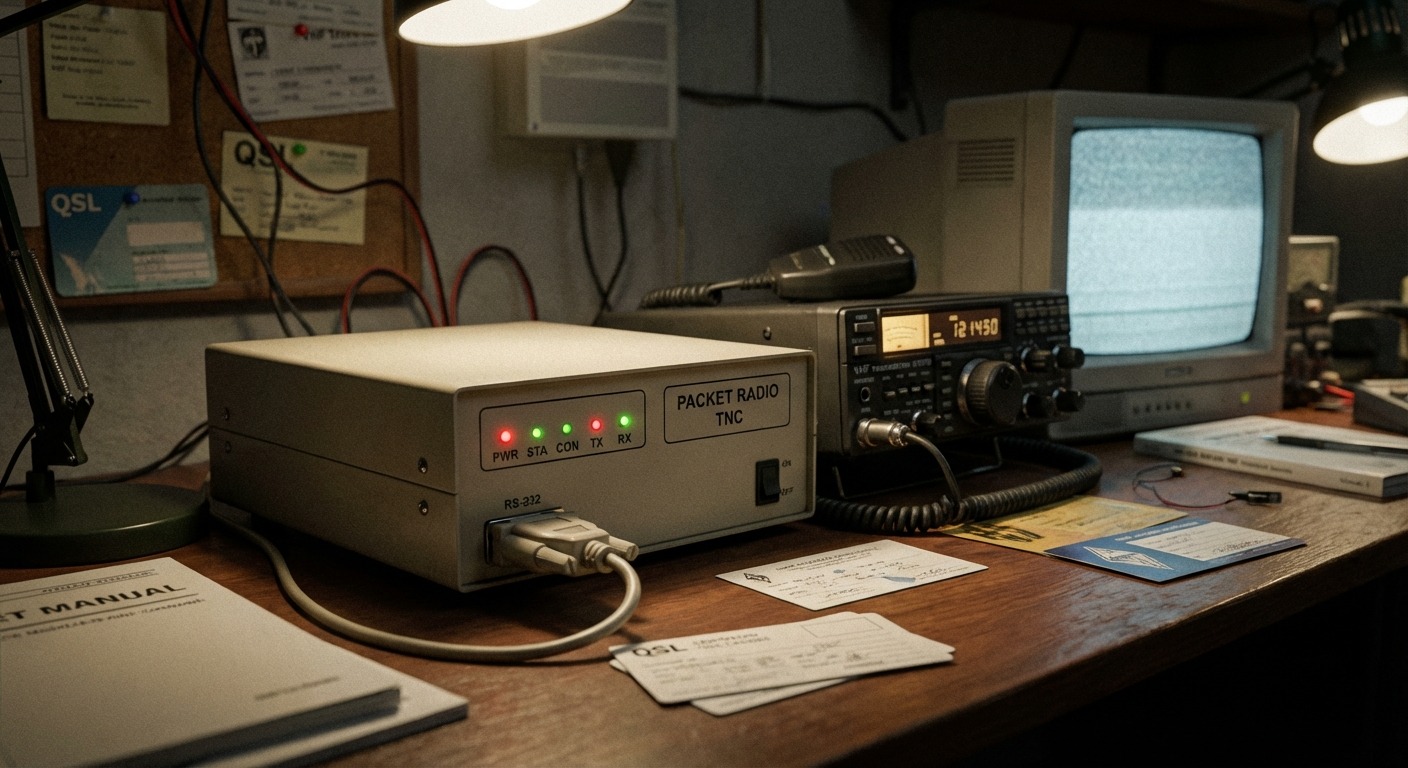
What packet radio was — and why it mattered
An honest explanation of AX.25, store-and-forward BBS networks, and what made amateur packet feel revolutionary before the consumer internet swallowed everything.
Read the explainer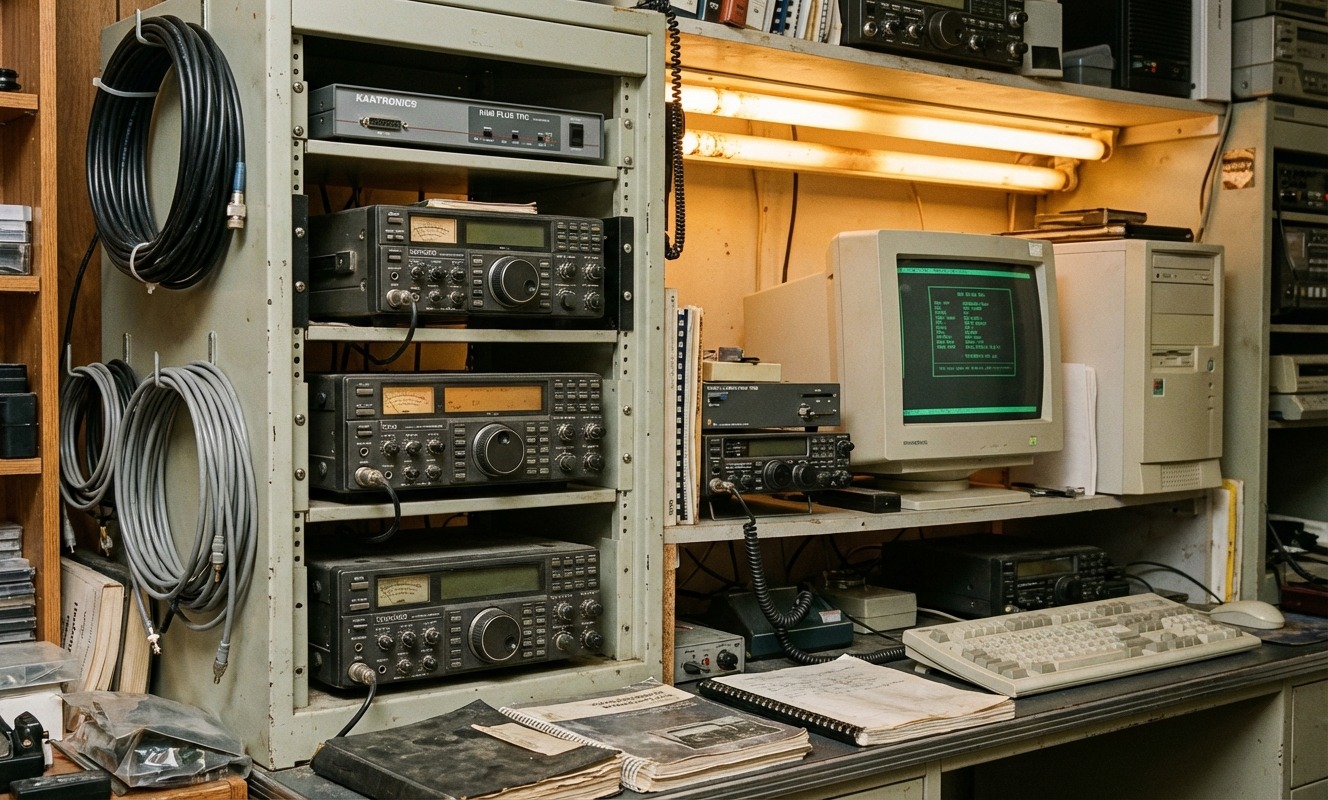
For more than two decades, this domain belonged to the Southern Ontario Packet Radio Association — SOPRA — and the volunteer operators who kept VE3CON, VE3INF, VE3PRC and the rest of the regional packet network linked. We preserve that history because the principles still matter: distributed nodes, store-and-forward routing, redundant paths, and operators who understood every link in the chain.
SOPRA history & node archive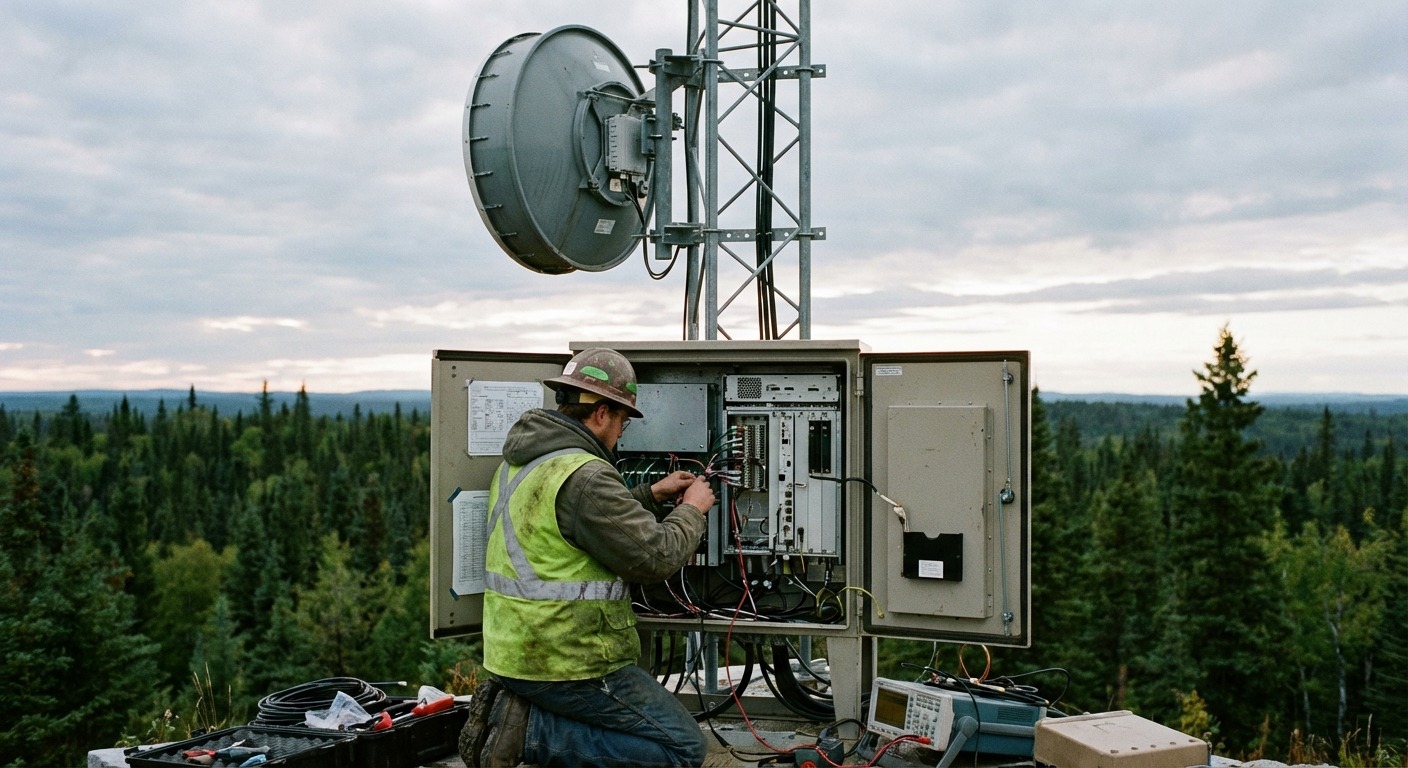
The same questions that drove packet radio in 1990 — how do you carry information across a region without depending on a single tower or single carrier? — drive modern radio infrastructure today. We write about transmitter sites, IP backhaul, mesh links, software-defined radio, and the practical reality of running distributed broadcast systems in 2026.
Read the infrastructure section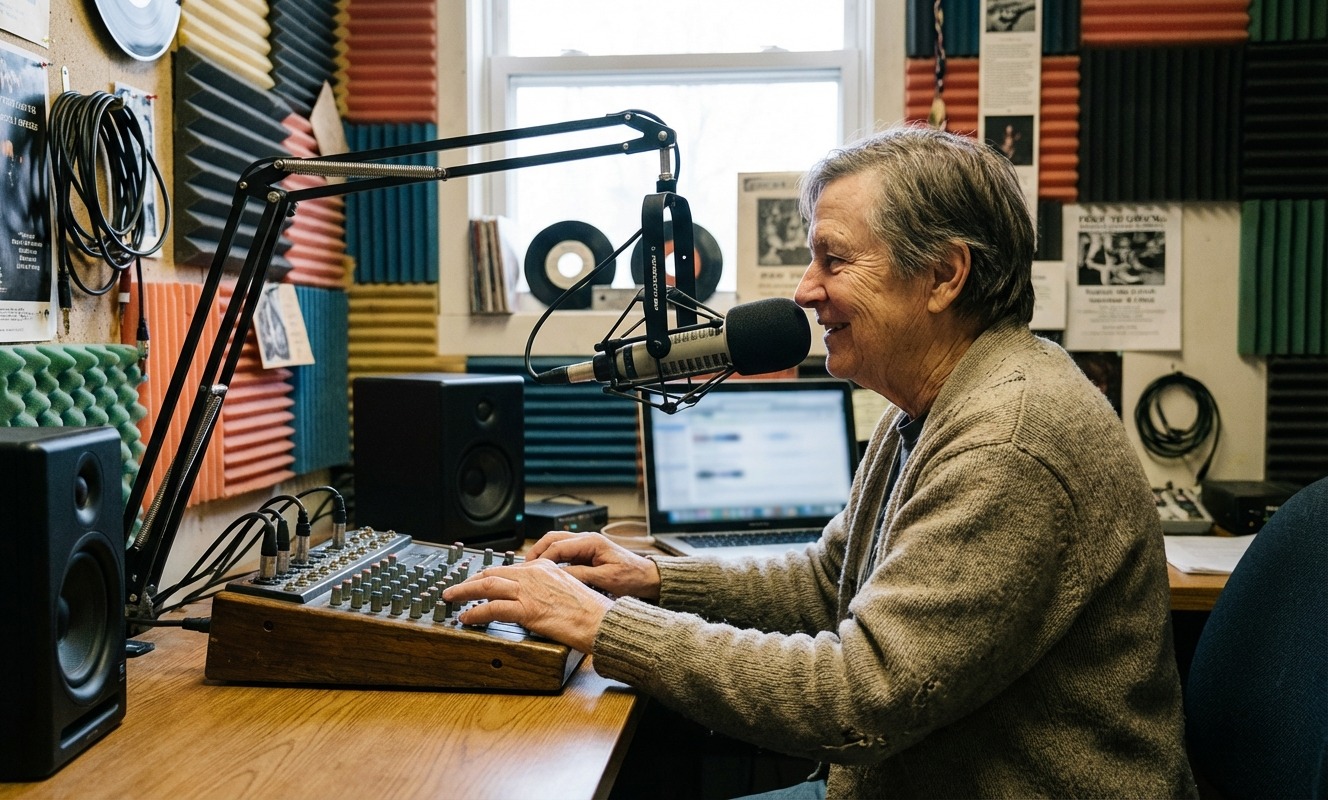
Community broadcasters inherit more from amateur radio than they usually realise. Volunteer operators, modest equipment budgets, careful frequency coordination, and a deep sense that the airwaves belong to the people who use them. We cover community FM stations, online-only operations, campus radio, and hybrid models that mix terrestrial and IP delivery.
Community broadcasting essaysLong-form pieces published on PacketRadio.ca, organised so the legacy material and the modern material reference each other directly. New readers usually start with the bridge essays before diving into the technical archives or the online-radio section.
An honest explanation of AX.25, store-and-forward BBS networks, and what made amateur packet feel revolutionary before the consumer internet swallowed everything.
Read the explainer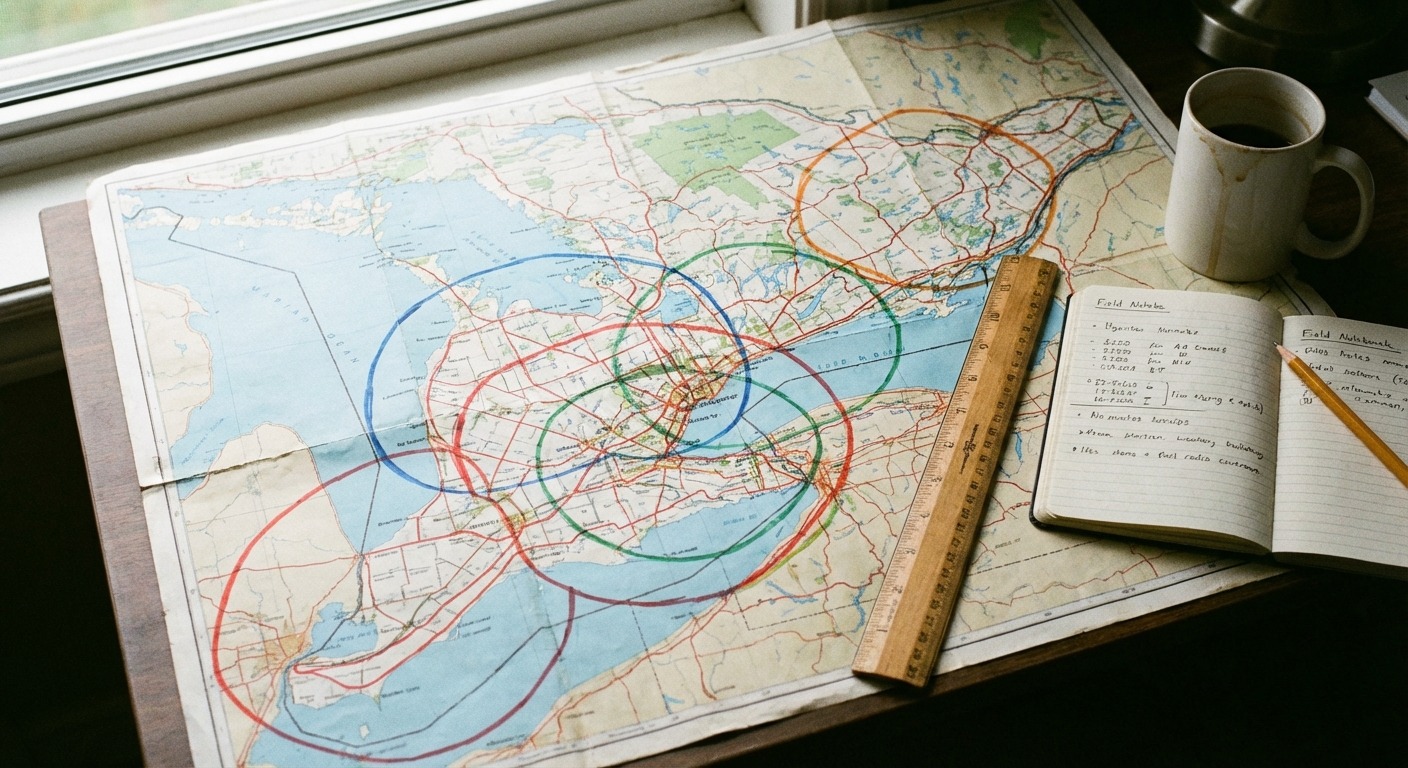
Why the centralised, single-cloud-region model of audio delivery is fragile, and what packet radio operators understood about resilience that most modern broadcasters are still relearning.
Why distribution matters
The non-glossy version: licensing in Canada, the realistic monthly cost, the streaming stack that actually works for a town of three thousand, and what to skip.
Practical launch guide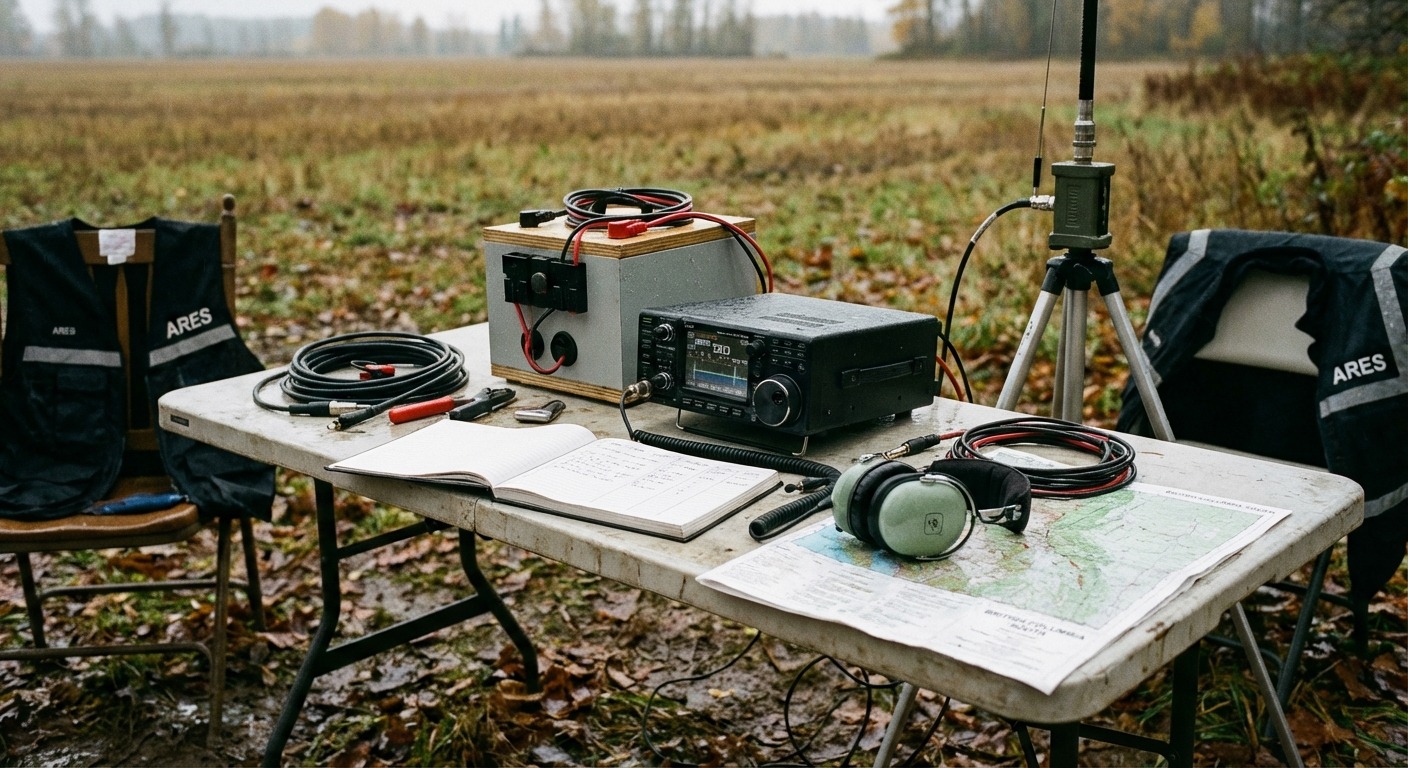
Where amateur radio infrastructure, public broadcasters, and emergency communications still overlap — and the lessons local stations should be planning around in 2026.
On resilience